
All about UV Disinfection Systems for Water Treatment
Posted on November 23, 2018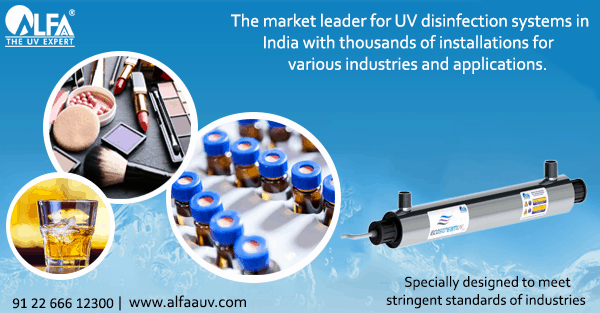
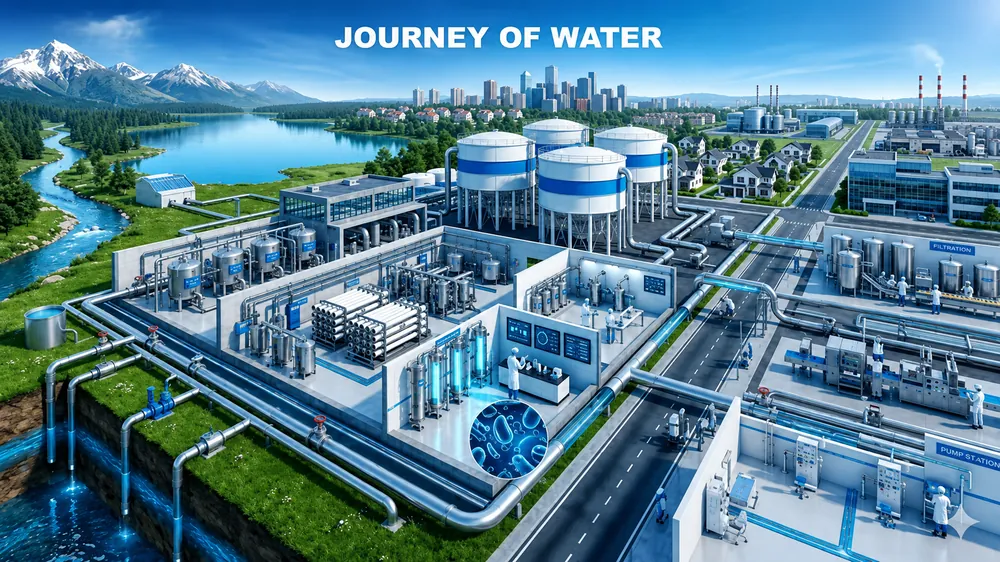
In today’s world, ensuring access to safe and clean water is essential. UV-C water purification has emerged as a reliable, eco-friendly solution for water treatment, offering effective protection against harmful microorganisms. Let’s explore what UV-C water purification is, how it works, and its benefits across industries.
What is UV-C Water Purification?
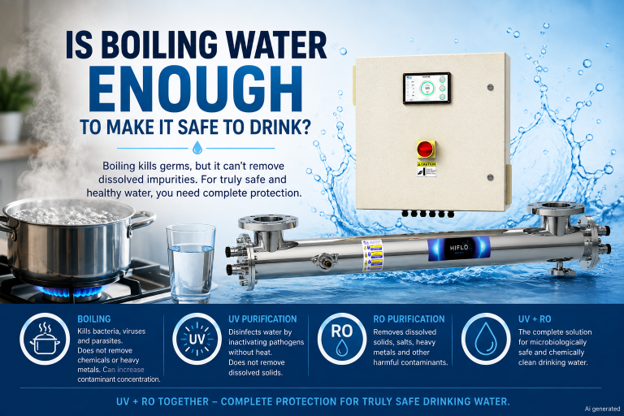
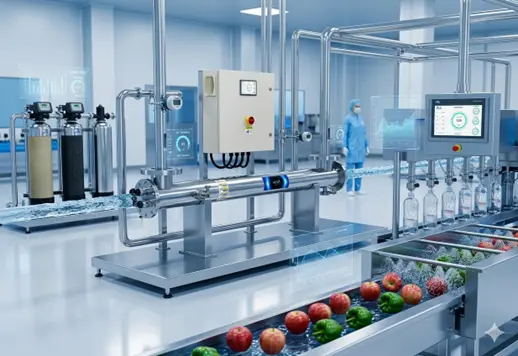
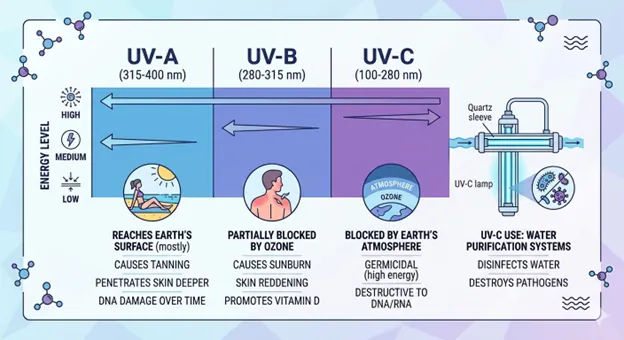
UV-C water purification is a chemical-free water treatment method that uses ultraviolet (UV-C) light at a wavelength of 253.7 nanometers to inactivate bacteria, viruses, and protozoa by disrupting their DNA. This process renders them unable to reproduce or cause infections, ensuring safe and potable water.
Key Benefits of UV-C Water Purification
1. Highly Effective:– UV-C systems eliminate up to 99.99% of harmful microorganisms without altering the taste, odor, or pH of water.
2. Chemical-Free:– Unlike chlorination, UV-C purification doesn’t introduce chemicals into the water, avoiding harmful byproducts.
3. Cost-Efficient:– With minimal maintenance and low operating costs, UV-C systems offer an economical solution for long-term water treatment.
4. Eco-Friendly: – UV-C purification reduces environmental impact by eliminating the need for chemical additives and waste byproducts.
Applications of UV-C Water Purification
UV-C purification systems cater to a wide range of industries, ensuring water safety in various applications:
- Food and Beverage Industry: Achieves FDA-compliant water quality, ensuring product safety and hygiene.
- Pharmaceutical Sector: Provides chemical-free water purification for stringent quality standards.
- Cosmetics Industry: Enhances product shelf life by eliminating microbial contaminants.
- Swimming Pools: Offers a safer alternative to chlorination by reducing harmful chloramines.
- Wastewater Treatment: Enables reuse of treated water for irrigation, flushing, and other non-potable purposes.
Comparing UV-C Water Purification with Chlorination
While chlorination has been a traditional water treatment method, UV-C purification offers distinct advantages:
- No Chemical Residue: Chlorine leaves behind harmful byproducts, whereas UV-C purification is residue-free.
- Immediate Effectiveness: UV-C systems act instantly, unlike chlorination, which requires a contact time.
- Maintenance Needs: UV-C systems require periodic lamp replacement and cleaning, whereas chlorine systems demand regular chemical replenishment.
Maintaining UV-C Water Purification Systems
Proper maintenance ensures the long-term efficiency of UV-C systems:
- Lamp Replacement: Replace UV-C lamps annually to maintain optimal performance.
- Quartz Sleeve Cleaning: Clean the quartz sleeve every 6-12 months to prevent scaling and ensure UV light penetration.
- Pre-Filtration: Install pre-filters to reduce sediment and turbidity for maximum UV-C effectiveness.
Environmental Benefits of UV-C Water Purification
UV-C purification is an environmentally friendly choice for water treatment. It eliminates the need for harmful chemicals, reducing the ecological footprint. Additionally, its energy-efficient operation aligns with sustainable practices, making it a preferred choice for eco-conscious users.
Conclusion
UV-C water purification is a game-changer in water treatment, combining effectiveness, eco-friendliness, and cost-efficiency. Whether for industrial or residential use, it provides a reliable solution for clean and safe water, addressing modern water treatment challenges.





Comments ( 3 )
Make a more new posts please 🙂
___
Hi Poornachandra Nayak, Thank you for showing your interest in our product. We will get in touch with you shortly.
Hi,
I am from a company called “Baxter”. A US based healthcare industry. We are looking for water purification components for medical applications. Can you please share the catalogue for UV lamps that can deliver 1liter/min output. Please let me know if you have any questions at the earliest.