Does Drinking Water Help You Lose Weight? Here’s What Science Says
Posted on April 23, 2026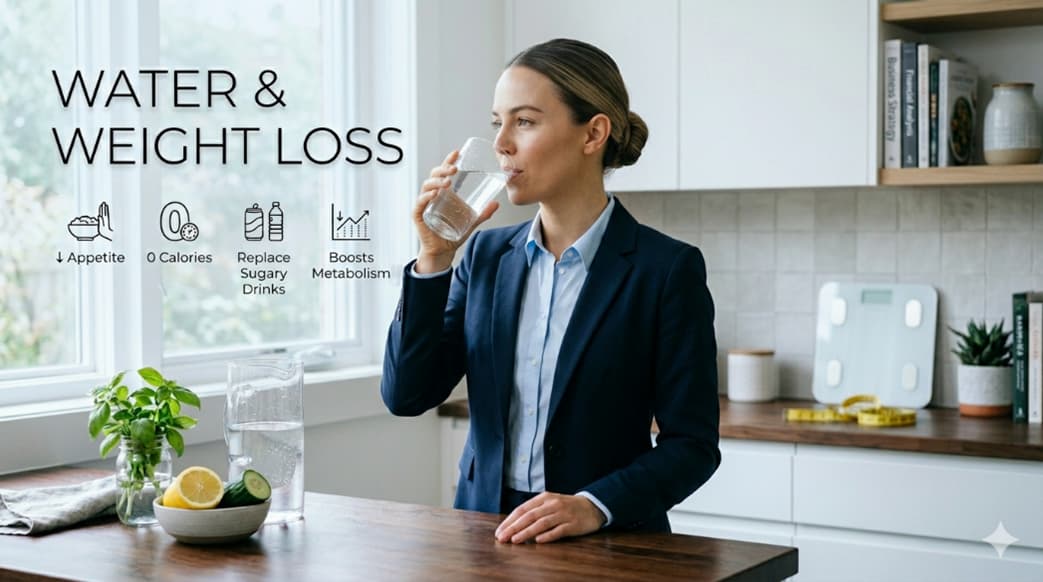
You’ve heard it a hundred times — drink more water to lose weight. It’s one of the most common pieces of health advice out there. But how much of it is actually true? Does drinking water really burn fat, reduce hunger, and help you shed those extra kilos?
The answer is: it’s complicated. Science offers some promising evidence — but also a few reality checks. Let’s break it all down so you know exactly what to expect.
1. Water Can Help You Feel Full — But Don’t Overestimate It
One of the most popular theories is simple: drink water before a meal, feel fuller, eat less. Your stomach has nerves that detect when it’s being stretched and send “stop eating” signals to your brain. Drinking water before a meal could theoretically trigger those same signals.
The evidence? There’s some support for this idea. People following a low-calorie diet who drank water before meals showed less appetite and greater weight loss over 12 weeks compared to those who didn’t. Another study found that people on a low-calorie diet who drank 16 oz (about 2 glasses) of water before every meal lost roughly 2–4 lbs more than those who skipped the pre-meal water.
However, a 2018 University of Birmingham study found this appetite-suppressing effect only worked in people of average weight — it’s unclear how well it applies to those who are overweight or have obesity.
Key Takeaway:
- Try drinking 2 glasses of water about 30 minutes before meals
- The effect is modest, but it’s one of the simplest habits you can build
2. Does Water Actually Burn Calories?
Another theory is that your body burns calories heating water up to body temperature — a process called thermogenesis (your body burning energy to warm the water). Sounds logical. But the research paints a different picture.
While some older studies showed a small uptick in calories burned, more recent research found no meaningful evidence that drinking water burns a significant number of calories. Cold water showed a minor increase of about 23 calories per day in one study — but that’s far too small to drive real weight loss on its own.
A 2023 Jawaharlal Institute of Postgraduate Medical Education and Research study did find that people who drank 200–250 ml of warm water after each meal lost more weight and had a lower BMI than a control group — but researchers acknowledged more work is needed to understand exactly why.
Key Takeaway:
- Water alone won’t meaningfully “burn” calories
- Warm water after meals may offer a small metabolic boost worth trying
3. The Biggest Win: Replacing Sugary Drinks with Water
This is where water’s role in weight loss gets the strongest backing from science. If you regularly drink high-calorie beverages — sodas, juices, sweetened teas, energy drinks — and replace them with plain water, you dramatically cut your daily calorie intake.
A 2013 Harvard School of Public Health study tracking adults over 4 years found that people who substituted one serving of a sugar-sweetened drink with a cup of water reduced their weight gain by 0.5 kg over that period. Small? Yes. But compounded over years, it adds up.
A 2019 Harvard School of Public Health review also found that drinking more water was consistently linked with more weight loss — particularly when water replaced high-calorie drinks, with some participants losing up to 8.8 kg.
Key Takeaway:
- Swapping out one sugary drink a day with water is one of the most evidence-backed strategies
- This is sustainable, free, and has zero downsides
4. Are You Mistaking Thirst for Hunger?
A common claim is that people sometimes mistake thirst for hunger. The idea is that drinking water can prevent you from eating unnecessary calories.
While the concept is popular, However, current evidence in humans is limited and does not consistently support this claim. The regulation of thirst and hunger is complex, and it varies with age — thirst signals tend to become less reliable in older adults. There’s currently no strong human study proving that people consistently confuse thirst for hunger. But staying well-hydrated is still a good habit regardless.
Key Takeaway:
- Before reaching for a snack, drink a glass of water and wait 10 minutes — it’s worth the experiment
5. How Much Water Should You Actually Drink?

There’s no one-size-fits-all answer. General guidelines suggest:
- Women: approximately 2.2 litres (9 cups) per day
- Men: approximately 3 litres (13 cups) per day
- A rough rule: drink half your body weight (in lbs) in ounces of water per day
But these are starting points. Your actual needs go up if you exercise regularly, live in a hot climate (like most parts of India), are pregnant or breastfeeding, or are working towards weight loss. Signs you may not be drinking enough include dark urine, dry skin, headaches, and persistent fatigue.
Also remember: roughly 20–30% of your daily water intake comes from food — especially fruits and vegetables like cucumbers, watermelon, tomatoes, and lettuce.
Key Takeaway:
- Don’t obsess over 8 glasses a day — listen to your body and adjust based on your lifestyle
- Check your urine colour: pale yellow = well hydrated, dark yellow = drink more
6. The Catch: Water Is a Tool, Not a Magic Solution
Here’s what’s honest: while water supports weight loss in several ways, no credible study has shown that simply drinking more water directly causes significant weight loss on its own. The benefits — reduced appetite, a slight metabolic nudge, fewer calories from drinks — are all real but modest.
Water works best as one piece of a bigger puzzle. Combined with a balanced diet, regular physical activity, and reduced intake of sugary foods and drinks, it genuinely contributes. On its own, it won’t do the heavy lifting.
But Here’s the Thing Most People Overlook — The Quality of Your Water Matters
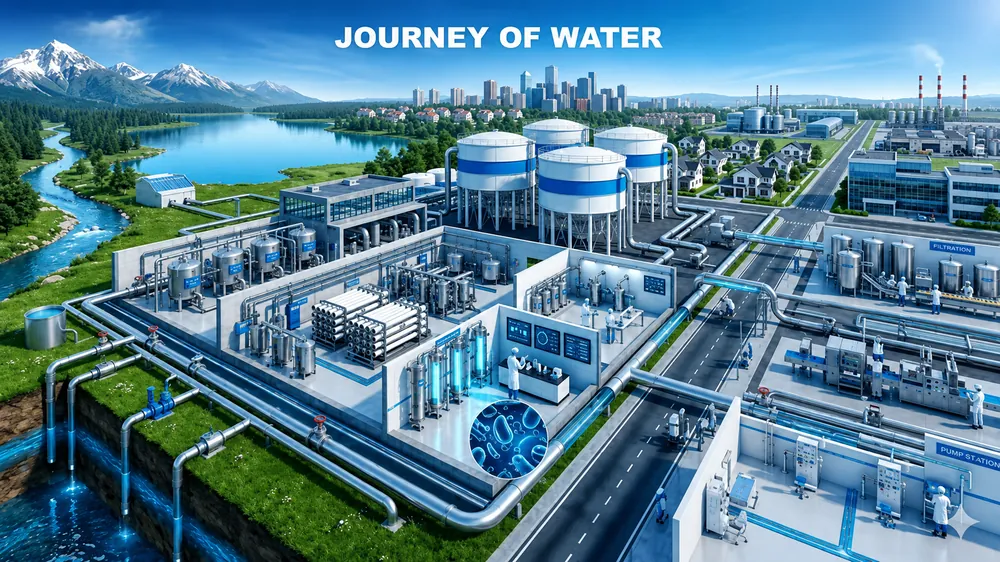
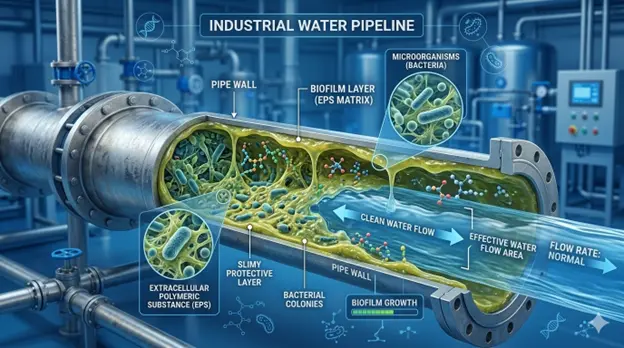
All the science above assumes you’re drinking clean, safe water. And that’s a bigger assumption than most people realise.
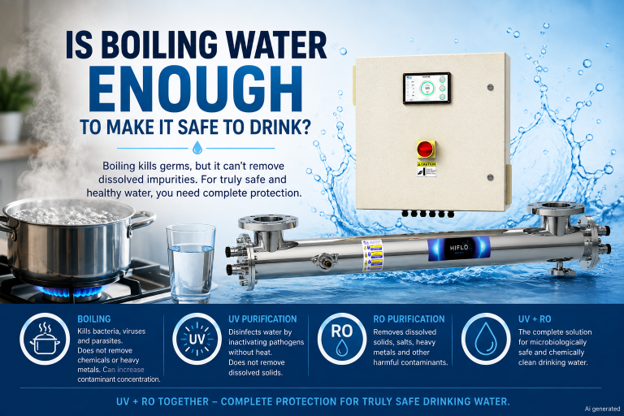
If your tap water contains contaminants, heavy metals, chlorine by-products, or microbial impurities, drinking more of it won’t just fail to help — it could actively harm you. And in many parts of India, water quality is a very real concern.
This is where Alfaa UV comes in. Whether you’re at home, in an office, or running a commercial space, having access to genuinely pure water should be your foundation — not an afterthought.
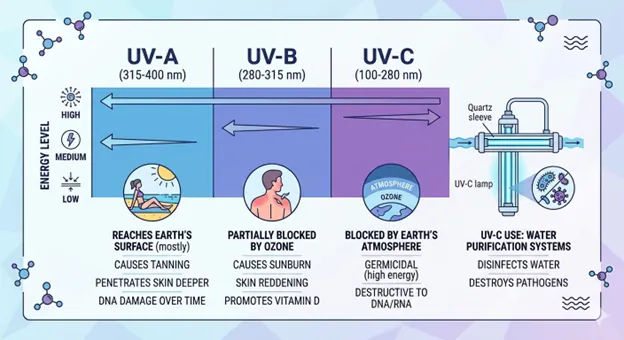
Alfaa UV’s range of residential water purifiers use advanced UV and RO technology to eliminate bacteria, viruses, dissolved impurities, and other contaminants — giving you water that is not only safe to drink but genuinely good for your health. For offices and larger spaces, commercial RO+UV systems ensure everyone on your team stays properly hydrated with clean water all day.
If you’re serious about using water as part of your weight management journey, make sure every glass you drink is working for you — not against you.
→ Find the right Alfaa UV water purifier for your home or office
Quick Summary: Water & Weight Loss
- Drinking water before meals may reduce appetite and calorie intake modestly
- Water doesn’t significantly burn calories on its own
- Replacing sugary drinks with water is the most impactful strategy
- Aim for 2–3 litres daily, adjusted for your weight and lifestyle
- Water supports weight loss best as part of a balanced diet and active lifestyle
- Clean, purified water is essential — the quality of what you drink matters as much as how much you drink