Water and Air Quality Checklist for Shopping Malls: RO, UV, and UVGI Explained
Posted on July 20, 2026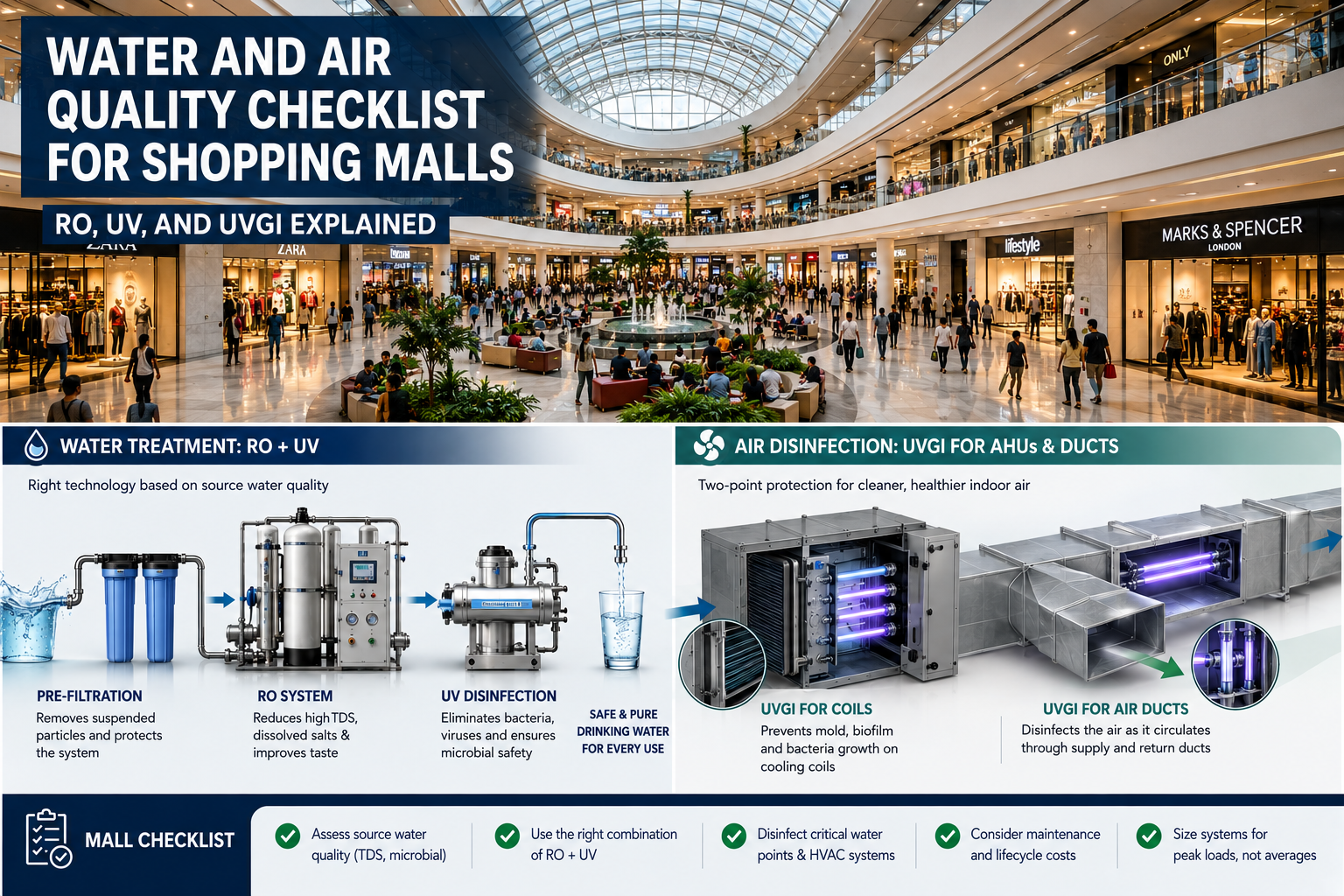
Shopping malls run on footfall, and footfall depends on comfort. A shopper won’t articulate it this way, but poor drinking water and stale, odorous air are two of the fastest ways to quietly undermine a mall’s experience — long before anyone complains outright. Unlike a single restaurant or office, a mall combines high occupant density, long dwell times, food courts, and large centralized HVAC systems, which makes both water and air quality harder to manage and more consequential when they go wrong. Here’s a practical checklist covering both.
1. Start With a Water Quality Assessment, Not a Default Purifier
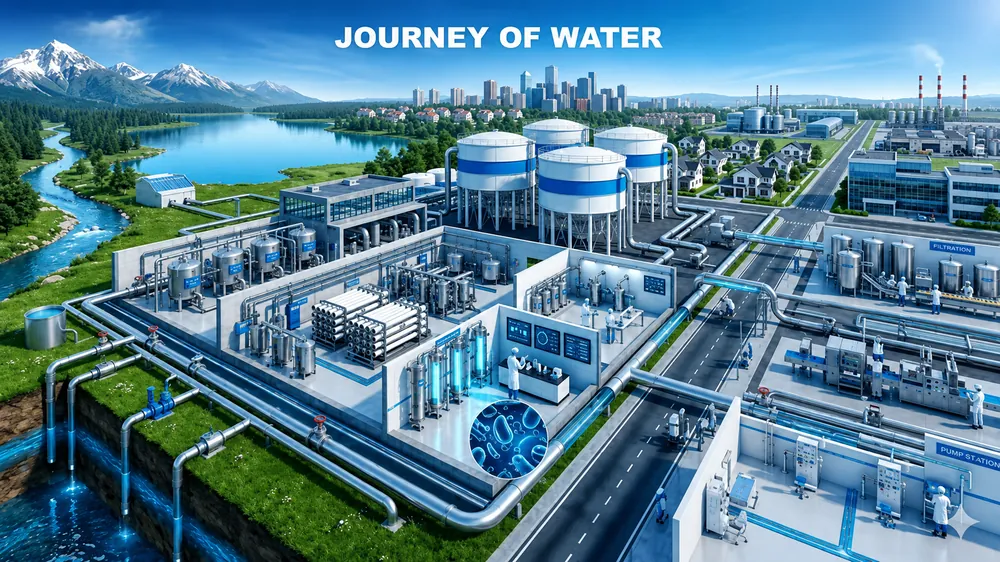
Not every mall needs the same water treatment setup. The right technology — UV, RO, or a combination — depends on the source water’s TDS (total dissolved solids) level:
- Municipal water with low TDS: UV disinfection alone is usually sufficient to eliminate bacteria and viruses without stripping the water of minerals.
- Borewell or tanker-supplied water with high TDS: RO is needed to bring dissolved solids down to a safe, palatable range, typically paired with UV as a final disinfection barrier.
Skipping this assessment is the most common mistake we see — installing an RO-only or UV-only system without first testing the source water, then wondering why taste, scale, or microbial issues persist.
2. Treat Drinking Water at the Point Shoppers Actually Use It
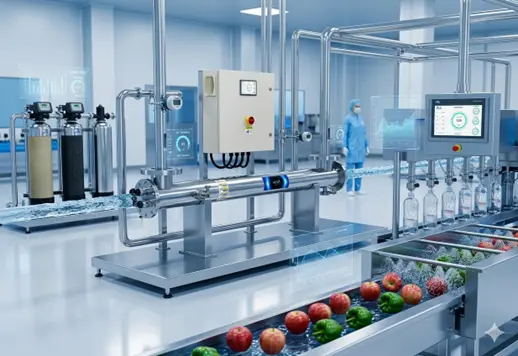
Malls typically need water treatment at multiple points: food court beverage stations, drinking water kiosks, and back-of-house food preparation areas. Each of these has different flow rate and demand patterns, so sizing a single centralized system without accounting for peak-hour draw (lunch rushes, weekend footfall) is a common design gap. This is where a UV dose calculation actually matters — not just contact time, since dose is what determines effective disinfection, particularly at peak flow when contact time inside the reactor is shortest.
3. Don’t Overlook Indoor Air Quality
Water gets most of the attention, but air quality is arguably a bigger factor in a mall’s comfort profile. Malls are enclosed, densely occupied spaces with central HVAC systems recirculating air across food courts, retail floors, and corridors — exactly the conditions the U.S. EPA associates with Sick Building Syndrome (SBS) — cases where building occupants report symptoms linked to time spent indoors, without a single identifiable cause. Complaints in SBS cases are often traced back to inadequate ventilation and biological contaminants circulating through HVAC systems.
For malls, the two vulnerable points in the HVAC system are:
- AHU cooling coils, where condensation creates a breeding ground for mould, biofilm, and bacteria
- Supply and return ducts, which carry that contamination across the building
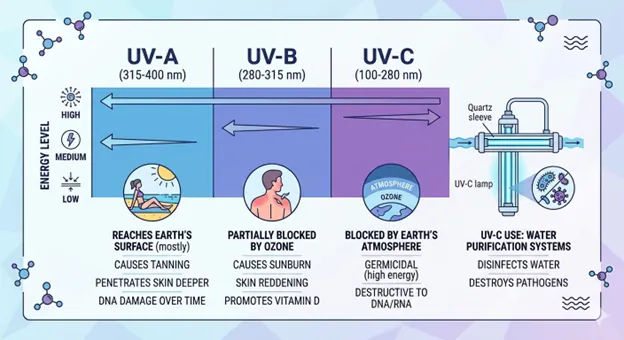
UVGI (Ultraviolet Germicidal Irradiation) systems address both. Coil-mounted UV modules keep coils biofilm-free without chemical scrubbing, and in-duct UV modules disinfect the airstream itself as it passes through. Alfaa’s UVGI solutions for AHUs and ducts are built around this two-point approach, and are commonly retrofitted into existing HVAC systems rather than requiring a redesign.
4. Check Maintenance Load, Not Just Installation Cost
A checklist item that’s easy to skip: ask what ongoing maintenance a water or air system requires before installing it. UV lamps have a rated life (commonly 8,000–12,000 hours) after which output drops even if the lamp still lights up. RO membranes need periodic replacement based on TDS load and usage. Coil-cleaning UV systems reduce — but don’t eliminate — the need for periodic inspection. Budgeting for this upfront avoids the common scenario where a system is installed correctly but under-maintained within a year, quietly losing effectiveness.
5. Match the System to Mall-Specific Peak Loads
Malls see sharp peaks — weekends, festive seasons, evening hours — that differ from steady-state office or hotel occupancy. Both water treatment and HVAC air disinfection systems should be sized against peak concurrent load, not average daily footfall, since undersized systems are the most common reason for inconsistent performance during exactly the hours a mall is busiest.
The Takeaway
A mall’s water and air quality strategy isn’t one system — it’s a combination sized around source water quality, peak occupancy, and HVAC layout. For a broader look at how this fits into commercial water purification generally, see our Commercial Water Purification page, or explore air disinfection solutions for shopping malls and retail in more detail.