
When it comes to choosing a water disinfection system for your business or facility, the price tag you see upfront is just the beginning of the story. Understanding the complete cost picture—including installation, operation, maintenance, and hidden expenses—can save you thousands of dollars and countless headaches down the road.
Before diving into costs, let’s understand the four main water disinfection methods available today:
Ultra Violet (UV) Purification uses ultraviolet light to destroy microorganisms without adding any chemicals to the water. Learn more about how UV purification works
Simple Chlorination involves adding chlorine directly to water and is an age old method of disinfecting water.
Chlorination/Dechlorination is a more complex process that adds chlorine and then removes it through additional treatment.
Ozone Treatment uses ozone gas to disinfect water but requires continuous monitoring.
Each method has its own cost structure, and understanding these differences is crucial for making an informed decision.
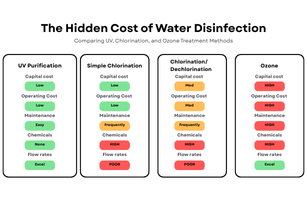
The upfront investment varies significantly across different methods:
Ultra Violet systems have a moderate capital cost, making them an attractive option for businesses looking to implement water purification without breaking the bank.
Simple Chlorination comes with the lowest initial investment. The equipment is straightforward and doesn’t require sophisticated technology.
Chlorination/Dechlorination systems fall into the medium capital cost category because they require additional equipment for both adding and removing chlorine.
Ozone systems demand the highest capital investment due to the complex equipment needed to generate and apply ozone safely.
While capital costs are a one-time expense, operating costs continue month after month, year after year. This is where many businesses get surprised.
Ultra Violet systems work on low operating and consumable costs among all methods. They primarily consume electricity to power the UV lamps, which need to be replaced periodically.
Simple Chlorination also maintains low operating costs, mainly involving the purchase of chlorine chemicals.
Chlorination/Dechlorination becomes more complex and expensive to operate due to the need for multiple chemicals and processes.
Ozone systems carry high operating costs because of the continuous energy requirements and monitoring needs.
Ease of Installation
UV systems offer excellent ease of installation—they’re straightforward to set up and integrate into existing water systems.
Simple Chlorination provides good installation ease, though it requires careful planning for chemical storage and dosing equipment.
Chlorination/Dechlorination systems are more complex to install due to multiple treatment stages.
Ozone systems present the most complex installation challenges, requiring specialized knowledge and equipment.
Maintenance Requirements
UV Purification requires periodic maintenance. The main task is replacing UV lamps periodically, making it excellent for the cost of maintenance.
Simple Chlorination needs frequent maintenance to check chemical levels and equipment function, and involves frequent human interaction which increases a cost.
Chlorination/Dechlorination demands frequent maintenance across multiple system components, resulting in medium costs.
Ozone systems require continuous monitoring, leading to poor ease of maintenance and high costs.
One of the most overlooked aspects of water disinfection is the chemical-related expenses and complications.
Ultra Violet systems are chemicals free, eliminating the cost of chemical purchases, storage, handling, and disposal. There are no residual effects to worry about.
Chlorination methods require ongoing chemical purchases. Simple chlorination forms trihalomethanes in water, while chlorination/dechlorination also produces these compounds. Both methods need careful to maintain regulated chlorine levels.
Ozone systems create toxic byproducts that must be managed, adding to operational complexity and costs. Learn more about the environmental risks of water disinfection methods.”
The hidden costs here include:
Disinfection Performance
UV systems offer excellent disinfection.
Simple Chlorination provides unreliable disinfection performance due to the possibility of human error.
Chlorination/Dechlorination also delivers poor performance despite its complexity to more equipment, more monitoring.
Ozone systems provide good disinfection results but at a much higher cost.
Flow Rate Implications
UV Purification excels with excellent flow rates, meaning your facility can process large volumes of water quickly without additional equipment.
Simple Chlorination has poor flow rates, potentially requiring larger systems or multiple units.
Chlorination/Dechlorination also suffers from poor flow rates.
Ozone systems provide good flow rates but at premium operating costs.
Contact Time Requirements
UV systems operate in just 1-5 seconds, making them incredibly efficient for high-demand applications.
Simple Chlorination requires 30-60 minutes of contact time, necessitating large holding tanks and space.
Chlorination/Dechlorination needs 30-60 minutes as well, doubling the space requirements.
Ozone systems fall somewhere in between but require continuous monitoring.
Operating System Complexity
UV systems have low complexity, requiring minimal training and management.
Simple and advanced chlorination methods have medium complexity.
Ozone systems present high complexity, requiring specialized operators and constant attention.
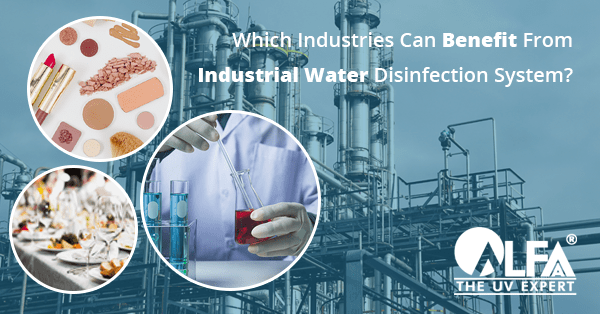
Hotels, Schools, Buildings, and Hospitals benefit from UV systems for safe, potable drinking water without chemical taste or residue.
Pharmaceutical Processes require bacteria-free water, making UV purification’s chemical-free operation invaluable for maintaining product purity.
Food Processing Industries need bacteria-free process water, and UV systems eliminate concerns about microbiological and chemical contamination in food products.
Fish Hatcheries use UV to prevent whirling disease and destroy parasites without chemicals that could harm fish.
In Dairy and Bottling Plants UV prevents bacterial spoilage in products and surfaces which use UV treatment.
Explore our complete range of ALFA UV water purification systems designed for various industrial applications.
When calculating the true cost of water disinfection, consider:
UV purification systems consistently demonstrate the lowest total cost of ownership across most applications, combining low capital costs, minimal operating expenses, excellent maintenance profiles, and zero chemical-related complications.
The cheapest upfront option isn’t always the most economical choice in the long run. By understanding all the cost factors—from installation and operation to maintenance and hidden chemical expenses—you can make an informed decision that protects both your budget and your water quality for years to come.
ALFA UV Series units provide a proven solution with constant high intensity light (intensity of 2537Å) that effectively treats water without heat or chemical additives, offering the simplest and most practical means of destroying microorganisms while keeping your total cost of ownership low.

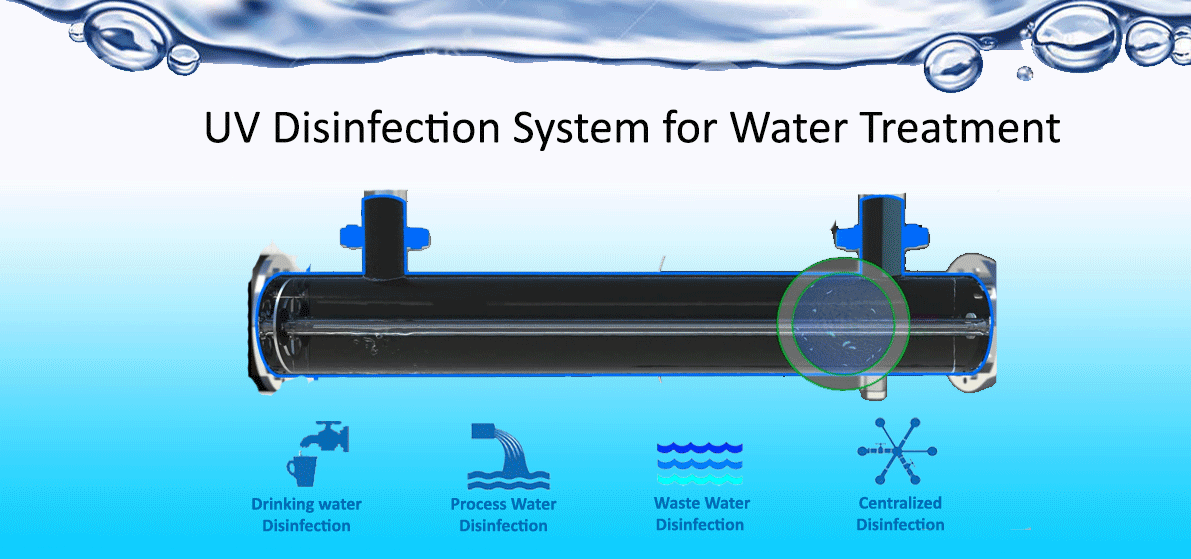
Ultraviolet UV water purification systems for drinking water disinfection...Read More

Ultraviolet UV water purification systems for process Water Disinfection...Read More

Ultraviolet UV water purification systems for waster water tertiary treatment...Read More

Ultraviolet UV water purification systems for Swimming pool and spas...Read More

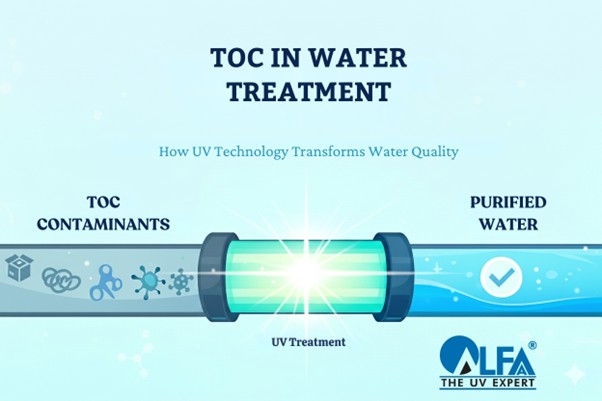
Ultraviolet UV water purification systems for the Reduction of Total Oxidizable Carbons ( TOC )...Read More

Ultraviolet UV water purification systems for Ozone destruction...Read More

Ultravoilet UV air purification systems for...Read More
When we think about water quality, minerals, hardness, or mi... Read More

Hidden Germs Live on Surfaces for Days. Eliminate Them in Mi... Read More
Being a limited resource, the importance of water conservati... Read More
UV Disinfection Systems for Water Treatment: How They Work a... Read More
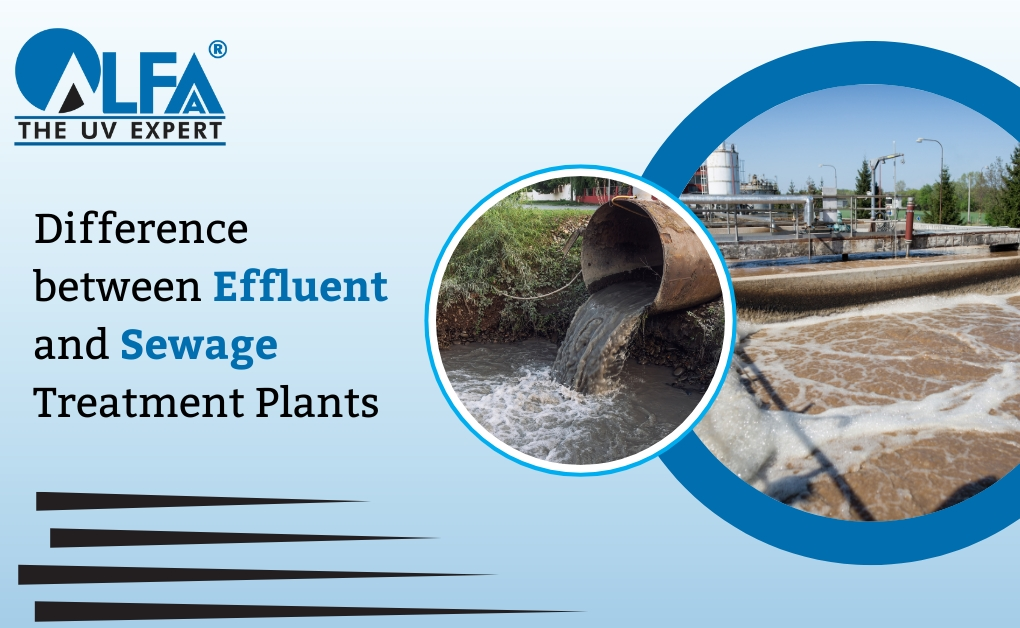
Effective wastewater treatment is crucial for environmental ... Read More
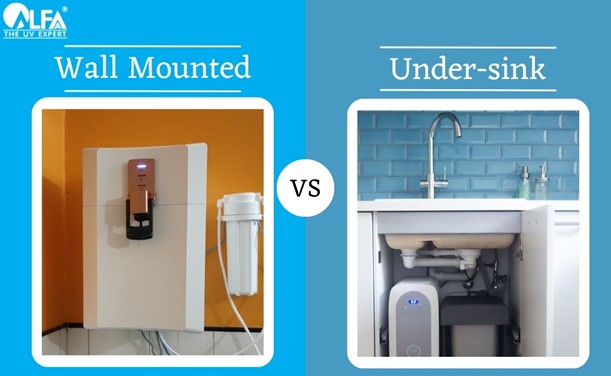
At Alfaa UV, we understand that choosing the right water pur... Read More
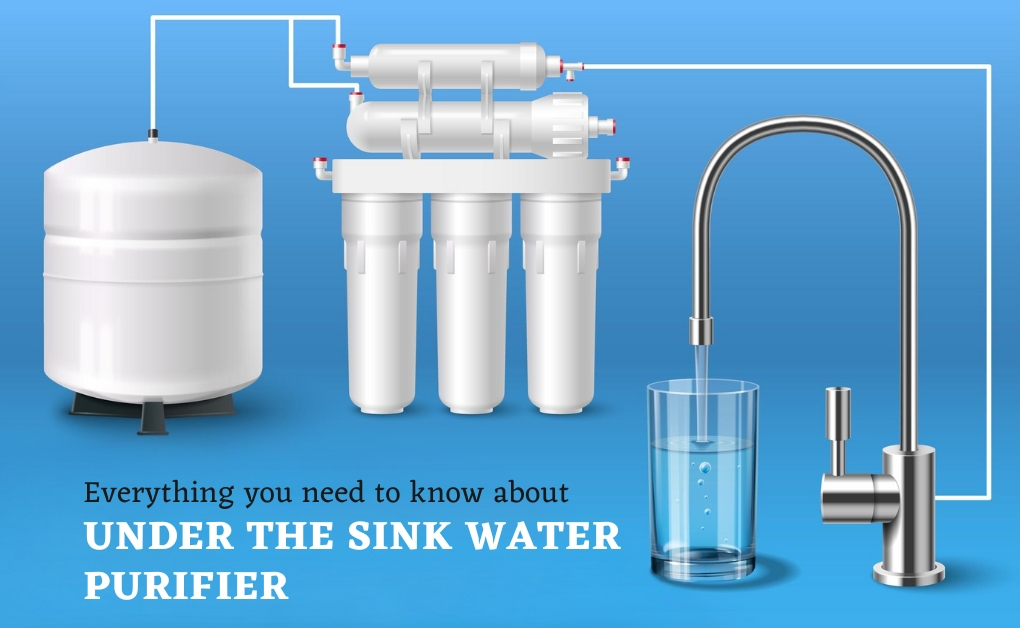
Are you looking for a streamlined, space-saving solution to ... Read More
When you think of the food and beverage industry, water migh... Read More